
Turnkey assembly: cutting cost and lead time in electronics
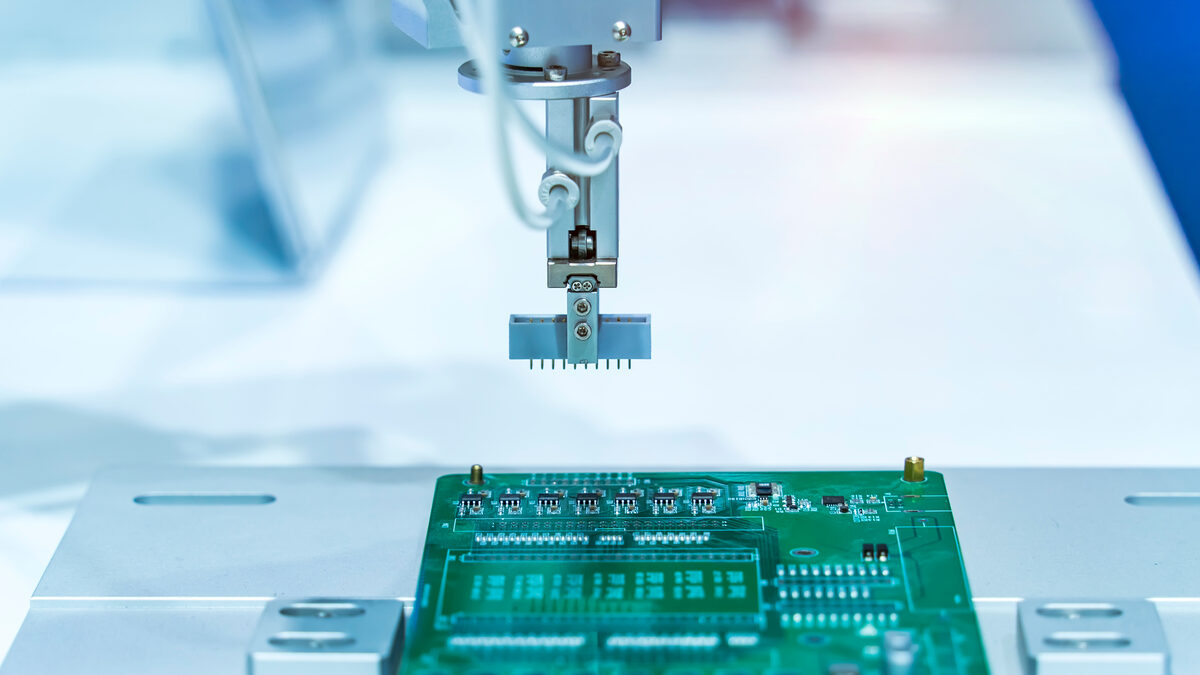
What turnkey assembly is
In the turnkey model, a single partner handles every stage of electronics production — from component sourcing to delivery of assembled, tested boards. VRI Indústria Eletrônica, a Brazilian EMS founded in 1991 and headquartered in Campo Mourão (PR), operates this model by bringing engineering, PCB fabrication, purchasing and assembly under one roof.
The traditional alternative — coordinating one supplier for the PCB, another for the components and a third for assembly — multiplies interfaces, lead times and points of failure. Turnkey trades that complexity for a single owner.
Why turnkey cuts cost and lead time
Concentrating the chain with one partner has concrete effects:
- - Fewer interfaces, less delay: PCB fabrication and stencil preparation run
in parallel with component purchasing, rather than in series.
- - Coordinated purchasing: component sourcing is done alongside assembly
planning, reducing BOM rework and availability surprises.
- - A single quality control: batch traceability follows the part from raw
material to assembled product, with no "gap" between suppliers.
- - Technical decisions close by: when a component substitution or a layout
tweak comes up, the engineering that designed it talks directly to whoever assembles it.
The result is a shorter path between design and first shipment — which matters especially in consumer electronics, medical devices and industrial applications, where the launch window is narrow.
Full or partial turnkey
The model isn't all-or-nothing. At VRI, it adapts to how much you want to keep under your control:
| Model | Who supplies the components | When it makes sense | | ----- | --------------------------- | ------------------- | | Full turnkey | VRI buys everything | You want to outsource the whole chain | | Partial turnkey | You supply part; VRI the rest | There are critical components you already have | | Consigned | You supply the components | You already have stock or your own contracts |
In any format, every component substitution goes through your approval before moving forward — transparency is part of the process.
What VRI delivers in turnkey
<Callout type="info"> Engineering and development (schematic, PCB layout, embedded firmware), PCB fabrication, component sourcing, SMT and PTH assembly, electrical testing, burn-in, conformal coating, automated optical inspection (AOI) and box build — all integrated. </Callout>
Behind this is a quality system certified to ISO 9001:2015 and ISO 13485:2016 (medical devices), with processes per IPC-A-610 and IPC-620 and a production area protected against electrostatic discharge (ESD).
When turnkey is the right choice
The model shines when you want close engineering and a short chain instead of managing several suppliers. It's especially strong for regulated sectors — where traceability and an audited process aren't optional — and for companies that need to accelerate launch without giving up quality.
Conclusion
Turnkey isn't just convenience: it's shortening the path between design and product, with a single owner of quality from start to finish. For manufacturers that don't tolerate failure, that becomes a competitive advantage.
Want to evaluate your project in the turnkey model? Request a quote.