
Sports technology: what the sensor has to survive
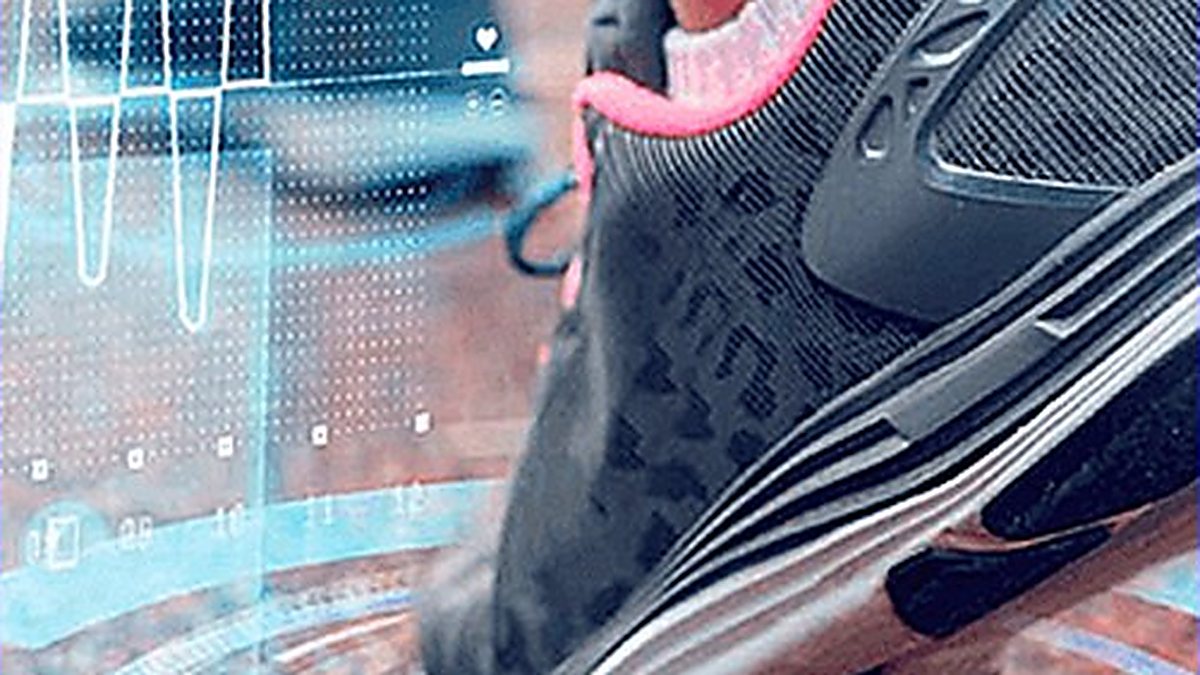
The environment is the opponent
Stride sensors, heart rate monitors, bike telemetry, timing systems: sports electronics rarely fail because the circuit was wrong. They fail because they went somewhere no benchtop product knows — salty sweat, repeated impact, constant vibration, sun, rain and, sometimes, a washing machine.
That shifts the focus. The electrical design solves function; the assembly process solves survival.
Four failure modes that keep repeating
- Sweat corrosion. Sweat is an electrolyte. An exposed trace and a poorly protected joint become a leakage path in weeks, not years.
- Joint fatigue from vibration. A heavy, poorly anchored component works with every stride or pedal stroke until the solder cracks.
- Connectors and cables. That is where mechanical force lands first. A poorly built harness fails before any component on the board.
- Battery. Charge cycling plus heat plus motion is the combination that generates the most returns in worn products.
Protection starts in assembly
Against those four modes, what decides the outcome is not the component datasheet but how the board was closed:
- Conformal coating applied with judgement, covering the sensitive area without invading connectors and sensors.
- Controlled soldering, with a defined thermal profile and solder inspection — a cold joint in a product that vibrates is a postponed failure, not an avoided one.
- Wire harnesses built to standard, with real strain relief. VRI assembles cables and harnesses to the IPC-620 standard.
- Batch traceability, so a return points at a batch and not at the whole product.
Test before the field
A sports product is the classic case where electrical testing is not enough. What separates a reliable batch from a batch with surprises is the combination of solder inspection, electrical testing, burn-in and functional testing specified by the customer — because only the customer knows what the product will endure.
Where VRI fits
VRI assembles boards, wire harnesses and the integrated product (box build), with conformal coating, electrical testing, burn-in and functional testing, over a quality system holding ISO 9001 since 1998 and an IPC member since 2007. For a new line, prototyping and pilot batches exist precisely to find the failure mode before the series.
What to take from this
In sports electronics, the right question for a manufacturing partner is not "can you assemble this board?" but "how do you protect and test this board for what it will endure?". The answer to the second question is what does — or does not — show up in the return rate.