
Wearable electronics: what a wearable demands from assembly
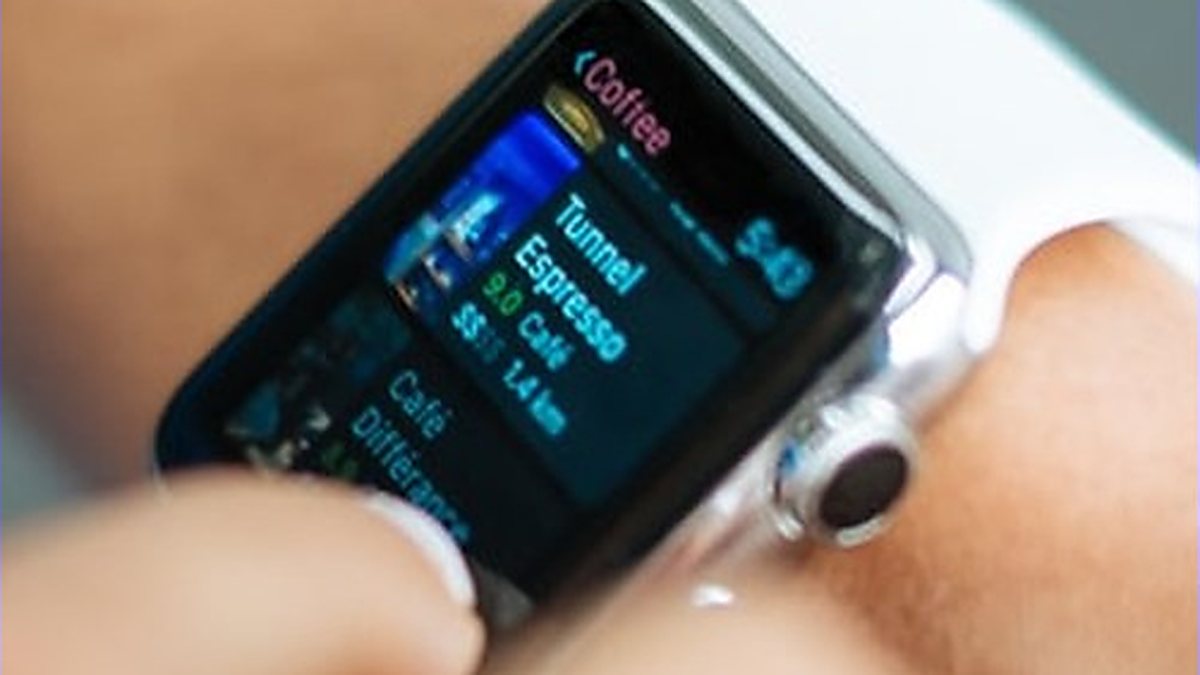
Small is not simple
A wearable is the product where almost every engineering constraint shows up together and pulls in opposite directions. It has to be small, but have battery life. It has to touch the body, but survive sweat. It has to be light, but survive a drop. And when it measures something health-related, it has to be reliable enough to become a medical device.
None of those demands is hard on its own. What makes a wearable demanding is that they all land on the same board.
Four constraints that travel together
- Space. Less area forces smaller packages, more layers and, frequently, flexible circuits that follow the product's shape instead of imposing one on it.
- Power. A small battery means controlled consumption in the design and, in assembly, extra care with the cell's solder joints and connectors — one of the points that generates the most field failures.
- Body and environment. Sweat, cream, water and skin temperature attack the board through paths a benchtop product never sees. Surface protection stops being optional.
- Regulation. If the wearable measures a vital sign for clinical purposes, it enters another category — and manufacturing then needs formal documentation, validation and traceability.
What changes in the assembly process
On a small, dense board, the process is the product. Three points concentrate the risk:
- Placement in a reduced area with thermal profile control. There is little margin between a cold joint and a damaged component.
- Surface protection (conformal coating) applied consistently, covering what needs covering and sparing connectors and sensors that must stay exposed.
- Testing that reproduces real use: electrical continuity says nothing about a product that will spend all day in motion, against skin.
The same rule as miniaturisation in general applies: shrinking without a process to match only trades one problem for another. The board fits, and reliability drops.
When the wearable is a medical device
An activity tracker and a clinical oximeter can look the same and do not share a manufacturing regime. When a product enters the medical device category, the manufacturing partner has to operate under a management system built for it — with traceability, risk management and documented validation.
VRI has held ISO 13485 since 2017, precisely the standard covering medical device manufacturing, alongside ISO 9001 maintained without interruption since 1998.
Where VRI fits
VRI works with SMT and PTH assembly, flexible circuits, conformal coating, electrical testing, burn-in and functional testing, with batch traceability and a production area under electrostatic discharge control. For a wearable that usually comes together with prototyping and pilot batches before the series, and with box build to close the product.
What to take from this
A wearable does not forgive an average process. The four constraints arrive together, and assembly is where they either resolve or accumulate. Choose the partner for testing and traceability capability, not for the price of the bare board.